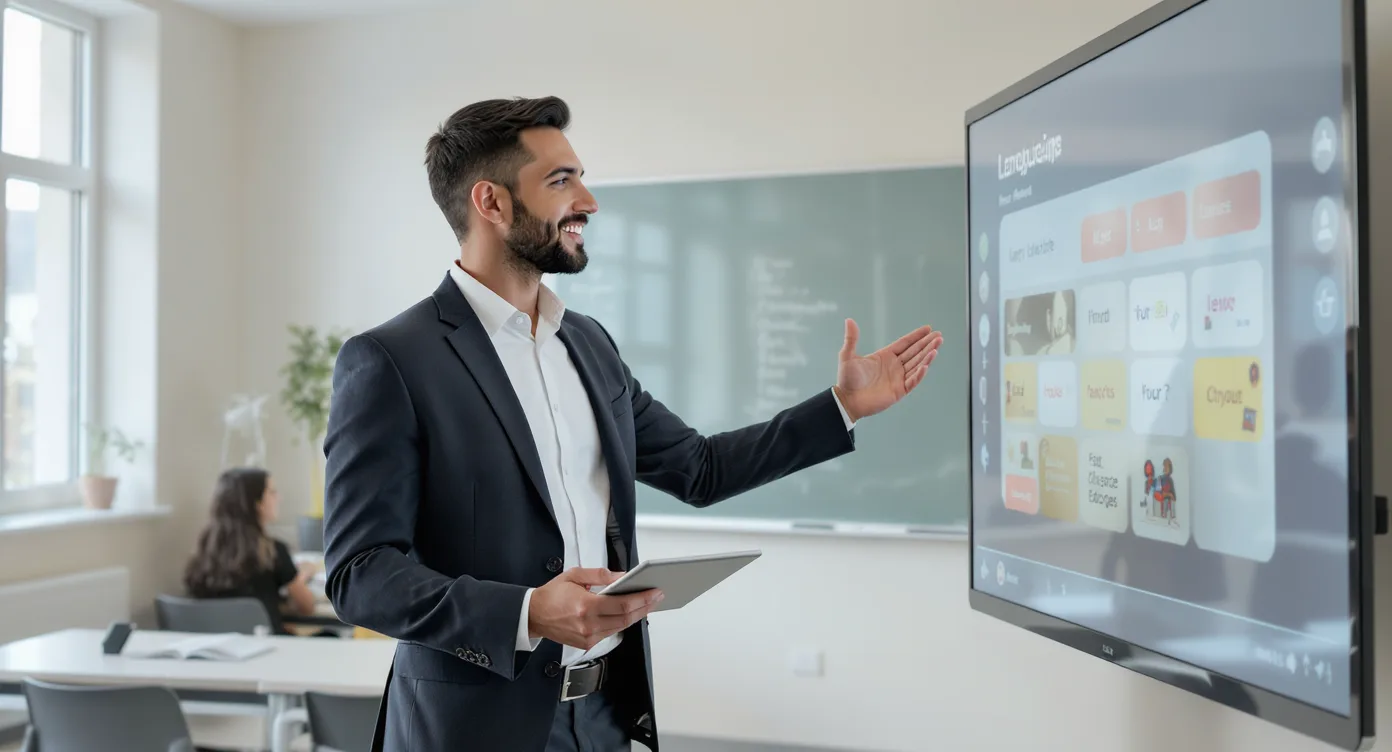
AI-Powered Emotional Intelligence Tutors Revolutionizing Language Learning in 2026
In the vibrant landscape of language education, the year 2026 marks a pivotal transition. AI-powered emotional intelligence tutors are not just a futuristic concept—they are redefining how language is taught, especially for learners in Japan and Korea. This surge in technological advancement is crafting more empathetic, personalized learning experiences that cater to the emotional and educational needs of learners.
Current State of Emotional Intelligence in AI Language Tutoring
As of 2026, the development of AI systems equipped with emotional intelligence is a burgeoning reality. These advanced tutors, capable of detecting emotional cues such as frustration or confusion through voice analysis, represent a shift beyond traditional, task-focused language instruction. This evolution is crucial for engaging students on an emotional level, encouraging more effective learning by adapting pedagogical methods based on immediate vocal feedback.
While AI's implementation in this domain is still developing, its potential to transform language tutoring is significant. Current models, though not fully mature, set the stage for future innovations that could lead to even more nuanced and emotionally aware technology.
Latest Trends in Language Education (2025-2026)
1. AI Moving from Hype to Pragmatism
The integration of AI in education has matured considerably. Previously seen as a threat to human educators, it is now viewed as an indispensable partner in classrooms worldwide. AI technology efficiently supports teachers by handling monotonous tasks such as word variations, text leveling, and providing initial feedback. Teachers have therefore shifted roles from simply transferring knowledge to guiding and facilitating learning—a concept explored further here.
2. Generative AI as Teacher Assistant
Generative AI processes drastically cut down the time needed to prepare educational materials—from 60 minutes to mere 10 for generating reading passages with comprehension questions. These AI systems not only offer efficiency but ensure quality through high correlation with expert consensus.
Google DeepMind's LearnLM, for instance, demonstrates the power of AI in tutoring, providing Socratic questioning and pedagogical feedback with notable educator approval. When measured against human tutors in controlled studies, students learning with LearnLM showed superior performance.
3. Conversational AI as Practice Partners
AI tools featuring advanced conversational capabilities continue to cultivate real-world language practice settings. By simulating everyday scenarios such as ordering meals or closing business deals, AI chatbots provide language learners with 24/7, personalized assistance in speaking and writing.
4. Multilingual and Translanguaging Support
AI fosters multilingual comprehension with tools that scaffold learning in native tongues before moving to target languages. This practice not only aids learners but is supported by research emphasizing the importance of first-language use in grasping complex concepts, a significant finding for our audiences, especially those studying English as a Second Language.
Real-World Implementation Examples
-
Pimsleur Integration with AI: Famed for its audio methods, Pimsleur has now incorporated AI technology to enhance spaced repetition models, intertwining them with adaptive speech recognition. This seamless fusion presents learners an interactive feedback loop, enhancing conversational fluency while adhering to structured learning.
-
LearnLM Deployment: Google DeepMind's LearnLM is another benchmark in the use of AI, utilizing chat-based tutoring systems that intertwine Socratic questioning with machine learning, yielding significant educational outcomes.
Future Horizons: 2026 and Beyond
While emotional intelligence in AI tutors is an ongoing development, the horizon looks promising. The gradual maturity of this technology signals a future where AI not only complements learning but becomes central to creating emotionally aware, responsive educational tools.
As this field grows, it's essential for educators and learners alike to remain updated on these advancements, perhaps by exploring resources such as TESOL and KOTESOL for further insights.
FAQ
Q1: What are the primary benefits of AI emotional intelligence tutors?
AI emotional intelligence tutors enhance learning by adapting teaching methods in response to students' emotional cues, facilitating a more personalized, engaging experience.
Q2: Are AI tutors replacing human teachers?
Not exactly. AI serves as a supportive tool that complements the teacher’s role, handling repetitive tasks and allowing educators to focus more on interactive, personalized teaching.
Q3: How do AI tutors help in learning English for Japanese and Korean speakers?
AI tutors assist by offering real-time, contextual feedback and simulations in natural language settings, which are crucial for Japanese and Korean learners as explored here.